|
Legends of the Game: Revisiting the Careers of NBA Hall of Famers
The NBA Hall of Fame is a coveted club, reserved only for those who have redefined basketball. It's not merely about scoring points or racking up stats, though those certainly help. A Hall of Famer transcends individual performance, leaving behind a lasting legacy, impacting the league's evolution.
Over the years, a select few have achieved that rare level of greatness, clubbing dominance, influence, and longevity.
Michael Jordan
Michael Jordan, often hailed as the greatest basketball player of all time, did more than just dominate the NBA during his career. He changed how basketball was perceived globally. Six NBA titles, five MVPs, and ten scoring titles make his resume impressive, but his intangibles set him apart. Jordan was, using a paraphrasing tool the ultimate competitor, with an insatiable desire to win.
What truly elevated Jordan was his Finals dominance - six trips, six titles, and six Finals MVPs. While his ability to score at will is well-documented (he averaged 30.1 points per game throughout his career), his influence stretched far beyond. He was also very good in defense, as evident by his 9 NBA All-Defensive First Team selections.
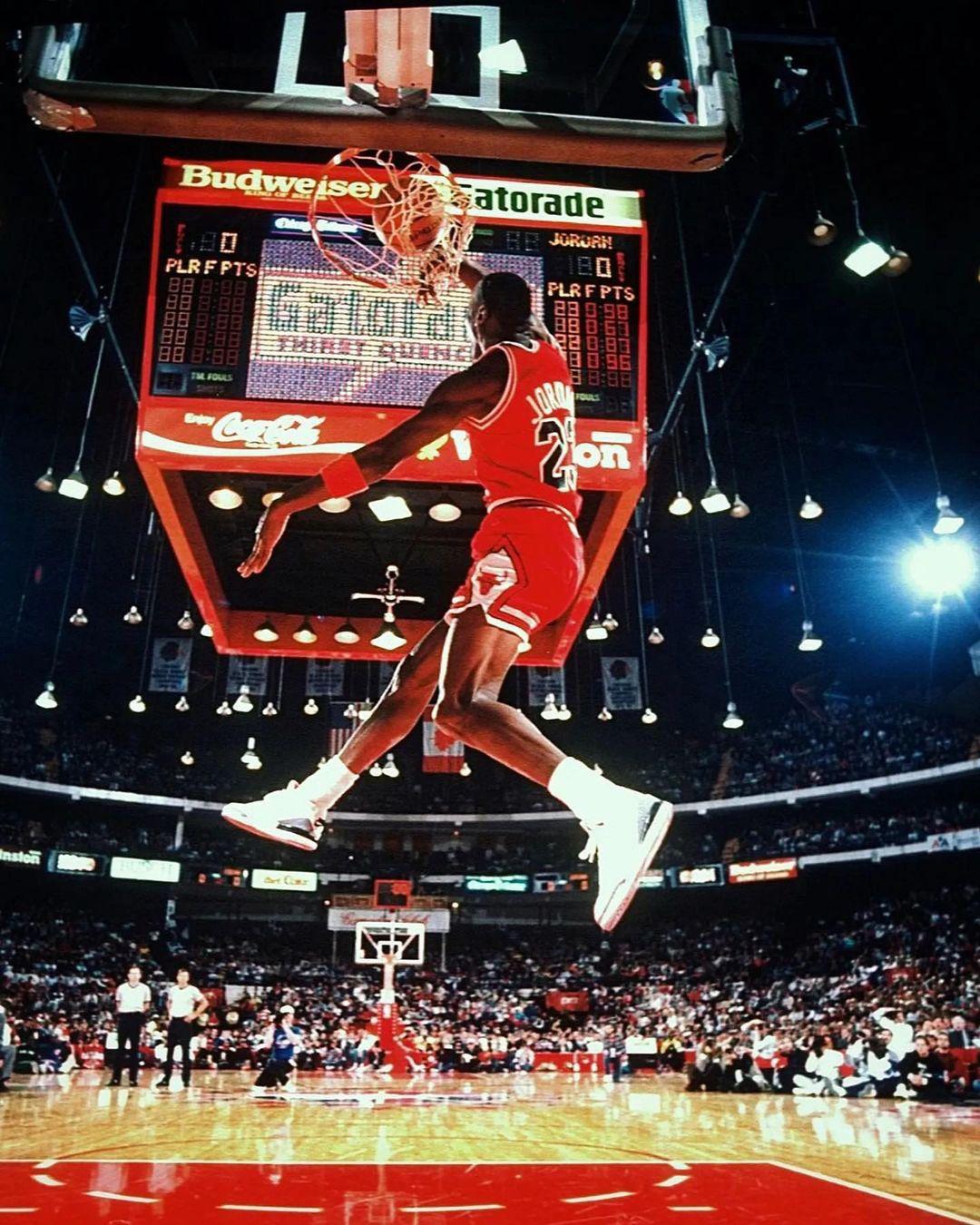
In the current era, Jordan's games would likely cause an explosion of activity on the best betting apps, with fans and bettors flocking to follow every moment of his brilliance. His influence was so vast that it's safe to say he didn't just play basketball - he made it a cultural phenomenon, attracting millions to the sport who might not have otherwise been interested.
Magic Johnson
Magic Johnson was more than just a player on the court - he was the conductor of a basketball symphony. At the helm of the "Showtime" Lakers, he revolutionized the game with his flair for fast-paced, unselfish play, turning it into a spectacle that captivated fans. Standing at 6'9", he was an anomaly at point guard, but his height wasn't what made him special. His incredible vision and passing precision allowed him to see plays unfold before anyone else.
Leading the NBA in assists four times, Magic finished with a career average of 11.2 assists per game - still the highest in league history. A shining example of this was his rookie year, when he stepped in to play center in Game 6 of the 1980 NBA Finals, leading the Lakers to a championship.
Magic's five championships and three Finals MVPs tell the story of a player who knew how to win and how to use a word counter, but his real legacy lies in transforming the game into something bigger. This entertainment phenomenon defined the NBA during the 1980s.
Kareem Abdul-Jabbar
Kareem Abdul-Jabbar's career stands as a testament to longevity and dominance. His signature skyhook, one of basketball’s most iconic moves, helped him secure his place as the NBA’s all-time leading scorer with 38,387 points - a record that withstood the test of time for nearly four decades. Playing for 20 seasons, Kareem maintained elite-level performance into his 40s, a rarity in professional sports.
But Kareem wasn't just about offense. His presence on the defensive end was equally imposing, earning him 11 All-Defensive Team selections. With six MVP awards - more than any other player — and six NBA championships, Abdul-Jabbar's résumé speaks to a rare balance of individual greatness and team success.
Throughout his career, whether alongside Oscar Robertson during his Milwaukee days or Magic Johnson in Los Angeles, Kareem thrived in different environments.
Larry Bird
Larry Bird didn't rely on athleticism to carve his place among the greatest. Instead, his sharp basketball mind, unparalleled shooting touch, and relentless drive made him an NBA icon. His battles with Magic Johnson throughout the 1980s were more than just individual matchups; they elevated the NBA itself, pulling the league into mainstream prominence. But Bird’s legacy doesn’t just rest on that rivalry - his accomplishments tell their own story.
A three-time MVP - all won consecutively from 1984 to 1986 - Bird had an uncanny ability to change the game in many ways. He led the Boston Celtics to three NBA titles, claiming two Finals MVPs. With career averages of 24.3 points, 10 rebounds, and 6.3 assists per game, Bird showcased his incredible versatility on both ends of the court.
He was popular for his deadly accuracy in clutch situations, he earned the nickname "Larry Legend" for a reason. Even when a back injury slowed him down later in his career, Bird's unwavering determination and knack for winning never wavered, forever etching his name into basketball history.
Shaquille O'Neal
Shaquille O'Neal wasn't just big, he was a dominant force that few players - if any - could handle. At 7'1” and over 300 pounds, Shaq towered over opponents, combining his sheer size with surprising agility and skill. His presence in the paint redefined what being a center in the NBA meant, leaving defenders helpless to stop him as he bullied his way to the basket.
Shaq's prime years were unstoppable, particularly with the Los Angeles Lakers. He spearheaded the Lakers' three-peat from 2000 to 2002, earning three consecutive Finals MVP awards and consistently putting up monstrous numbers, averaging more than 30 points and 15 rebounds per game during those championship runs.
Shaq's ability to dominate inside forced the NBA to introduce rule changes, like the three-second violation and an AI detector, to limit his impact. By the time he hung up his sneakers, O'Neal had amassed four NBA titles, 28,596 points, and career averages of 23.7 points and 10.9 rebounds per game.
Summary
These Hall of Famers did more than just excel individually; they changed the very fabric of the NBA. Jordan globalized the game, Magic and Bird revived it, Kareem and Shaq dominated it, and Duncan epitomized team success.
Each one left behind a unique legacy that shaped the direction of basketball, and their influence continues to inspire today’s stars. While their numbers and achievements are etched in the record books, it’s their impact on the culture and evolution of the game that secures their place in basketball immortality.
| 