Why Playing at Home Still Gives NBA Teams the Edge
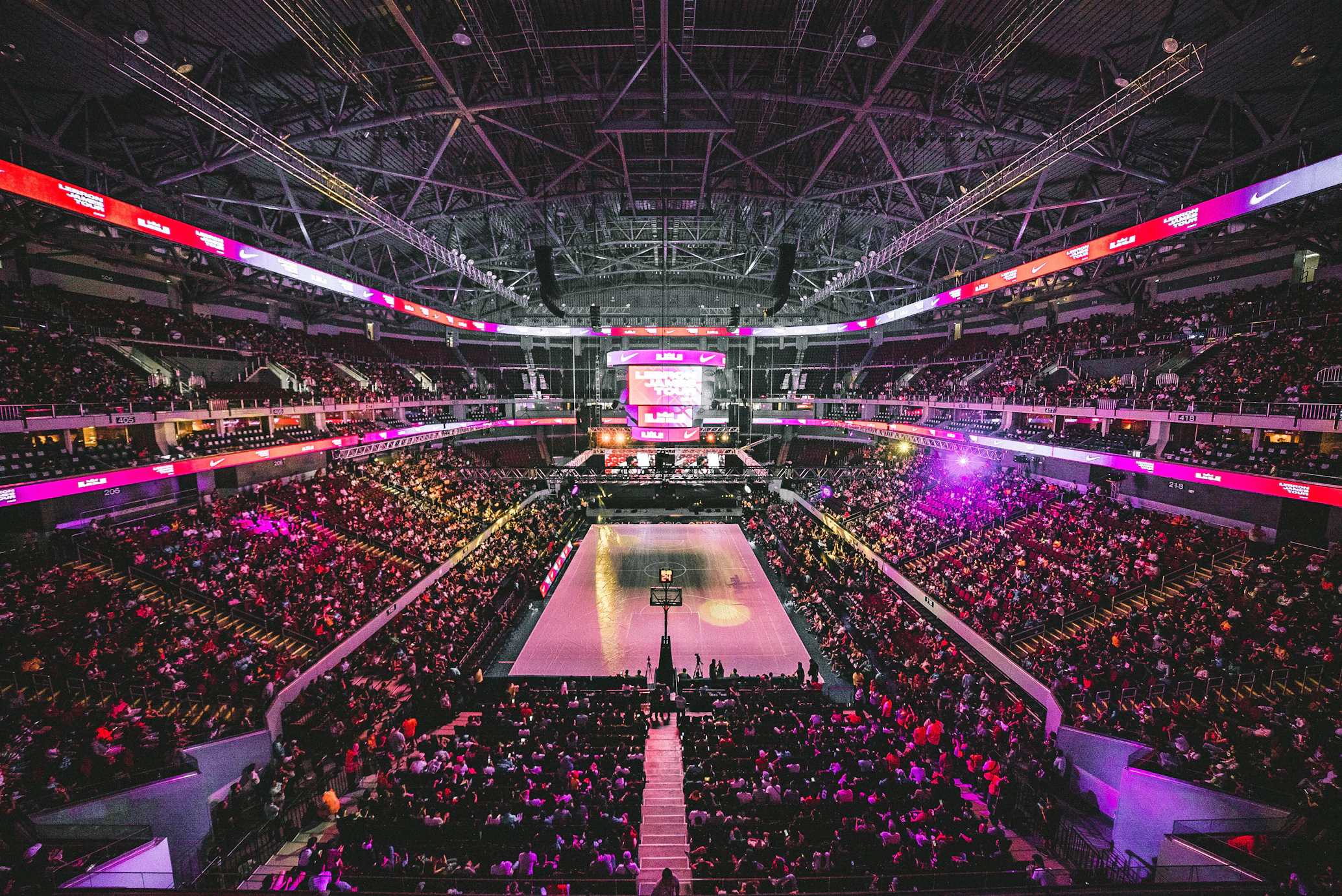
https://unsplash.com/photos/people-inside-the-basketball-court-XmYSlYrupL8
Home-court advantage has long been considered one of the most critical elements of success in professional basketball. Historically, teams perform noticeably better at home, where they're energized by supportive fans, familiar surroundings, and routine comfort. Despite shifts in playing styles and strategies, the value of playing at home remains significant even in today's NBA.
From the early days of basketball, home-court advantage was clear. Iconic venues like the Boston Garden, and more recently, Oracle Arena provided environments that intimidated opponents. Legendary teams like the 1985-86 Boston Celtics and the dominant Chicago Bulls of the '90s used home-court dominance to propel them toward championships. The Celtics went 40-1 at home in the 1986 regular season, showcasing the power of playing in front of their home fans.
In recent years, this advantage has continued to influence playoff seeding and championship outcomes. Statistics repeatedly demonstrate that teams with home-court advantage in the playoffs have a higher probability of winning playoff series, particularly decisive Game 7 matchups. A critical example of this was the 2016 NBA Finals, where Cleveland's Game 7 victory at Golden State stood out as a rare counterexample, highlighting just how unusual overcoming home-court advantage remains.
How Home-Court Advantage Impacts Betting Markets
The enduring strength of home-court advantage significantly impacts betting markets, influencing odds and betting lines offered by sportsbooks. Oddsmakers closely monitor how teams perform at home versus on the road, adjusting their spreads accordingly. Experienced bettors frequently analyze home and away splits before placing wagers, often using data provided by some of the best betting sites to determine optimal betting strategies.
Games featuring teams known for strong home records, such as the Denver Nuggets at their high-altitude Ball Arena or the Miami Heat at their energetic Kaseya Center, typically see significant shifts in betting lines. This pattern illustrates how deeply home-court advantage is embedded in the strategies employed by oddsmakers and bettors alike.
Additionally, playoff series bets and futures markets heavily factor in potential home-court advantage. Teams positioned to secure home court through the playoffs often have shorter odds due to their perceived increased chances of success. For bettors seeking valuable insights, reviewing home-court records remains an essential part of betting analysis across all major NBA matchups.
Iconic NBA Arenas and Their Role
The NBA’s iconic arenas play a crucial role in shaping home-court advantage. Madison Square Garden has long been a stage for legendary performances, even when the New York Knicks have struggled. The crowd energy and historic significance make it a challenging venue for opponents. Similarly, Crypto.com Arena, formerly known as Staples Center, has hosted dominant Lakers teams over the decades, providing an electric atmosphere fuelled by championship banners and celebrity spectators.
Other arenas, like the Chase Center in San Francisco, Ball Arena in Denver, and Fiserv Forum in Milwaukee, have developed their own reputations for loud, passionate fanbases that boost home teams. TD Garden in Boston and Wells Fargo Center in Philadelphia thrive on intense, sometimes hostile crowds that make playing on the road even more daunting.
Psychological and Physical Advantages
The psychological aspect of home-court advantage is often understated. Players regularly highlight how playing in front of their own fans providesa boost of morale and confidence. Familiar routines such as sleeping at home, practicing in the same gym, and experiencing less travel fatigue also play critical roles in performance.
Conversely, visiting teams often deal with disruptive travel schedules, unfamiliar facilities, and the pressures of hostile crowds. These factors contribute to the measurable decrease in performance that visiting teams experience. Studies indicate road teams generally shoot poorer percentages, commit more turnovers, and struggle defensively when compared to their home-court performances.
Modern NBA Trends and Home-Court Advantage
Despite innovations in analytics and preparation, NBA teams have yet to minimize the impact of home-court advantage. Coaches increasingly understand its significance, strategizing to secure higher playoff seeds to maximize home games. Load management and careful scheduling now frequently consider the implications of home-court advantage in critical playoff scenarios.
Interestingly, during the 2020 NBA bubble in Orlando, where home-court advantage was virtually erased, lower-seeded teams found phenomenal success, highlighting just how influential the absence of true home-court scenarios can be.
The Bottom Line
Home-court advantage remains a fundamental and influential component of NBA basketball. Whether considered through the lens of historical dominance, betting market analysis, psychological comfort, or strategic planning, its impact is undeniable. Teams striving for championships prioritize securing this advantage, reinforcing its ongoing relevance.
Fans, analysts, and bettors alike acknowledge that while basketball evolves, the value of playing at home persists as one of the sport's most enduring truths.
| 